
Build Capacity, Not Just Tolerance: Why Training Load Matters
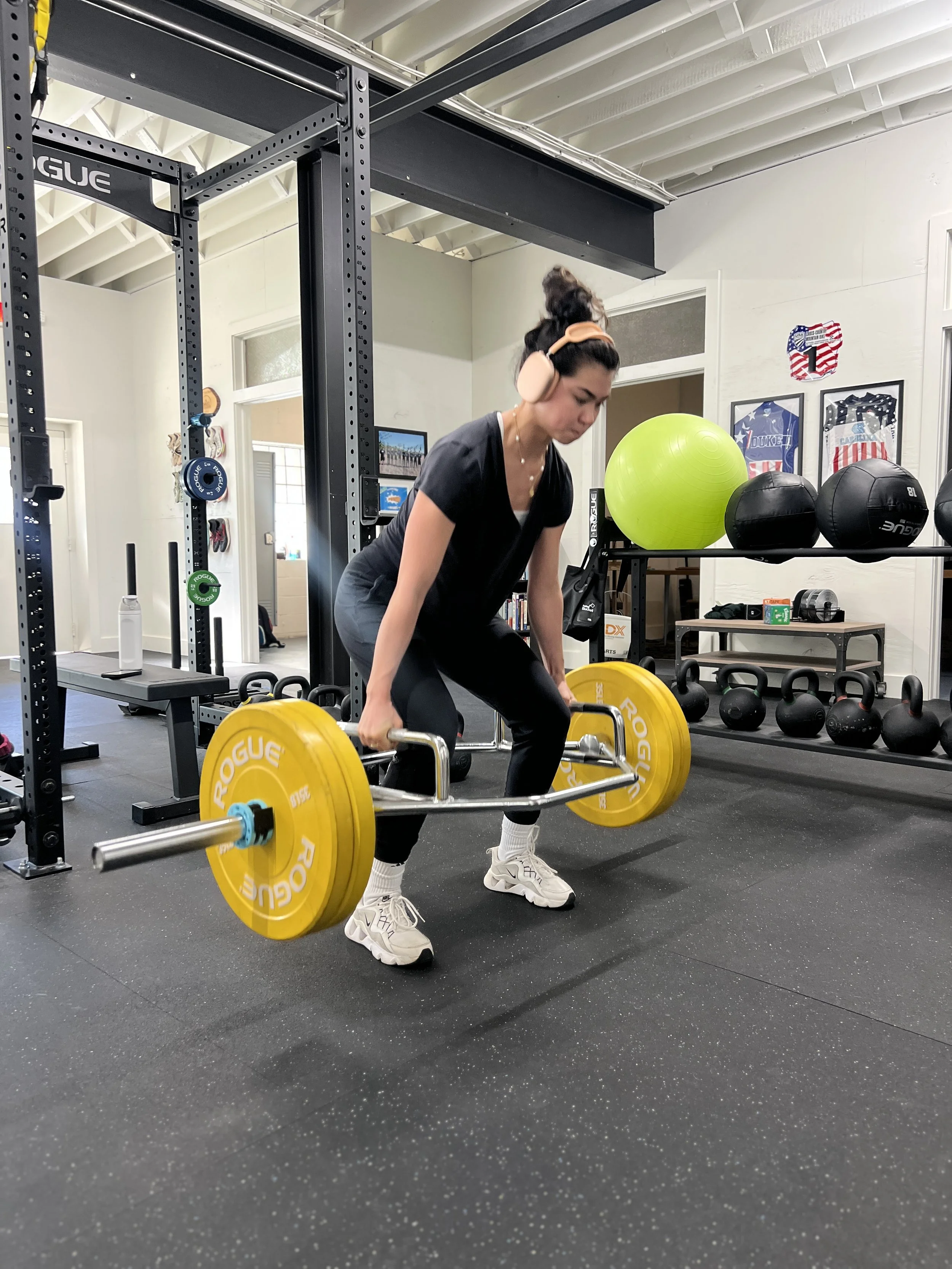
Most people don’t get injured because they’re broken. They get injured because their training outpaces their capacity. At The Endurance Collective, we don’t look at pain as something that simply shows up out of nowhere. We look at it as feedback—a signal that the demands you’re placing on your body have exceeded what your tissues are currently prepared to handle. And that’s not necessarily a problem. It’s part of the process of training.
Your muscles, tendons, bones, and other tissues aren’t static structures. They are dynamic, responsive systems that change based on how you train. When you lift, run, ride, jump, or otherwise challenge your body, you apply load. That load creates a stimulus, and your body responds by adapting to better tolerate that stress the next time. Strength training increases muscle capacity. Running can improve tendon stiffness and energy return. Impact loading can increase bone density. These adaptations are the foundation of performance. But adaptation isn’t instant.
One of the biggest disconnects we see in athletes is the difference between how quickly you feel better and how long it actually takes your tissues to adapt. Your cardiovascular system can improve relatively quickly. You might notice meaningful changes in fitness within a matter of weeks. Tendons, bones, and other connective tissues generally require a much longer and more consistent stimulus. That creates a problem. You feel fitter, so you do more. You feel stronger, so you increase the weight. Your run feels easier, so you add mileage. Your body feels good, so you add intensity. Then something starts to ache. That doesn’t necessarily mean your body failed. It may simply mean your tissues haven’t caught up with the demands you’re placing on them.
This is one of the simplest ways we think about training and injury at The Endurance Collective: load is what you’re asking your body to do, while capacity is what your body is currently prepared to handle. When those two are aligned, you can train, recover, adapt, and progress. When your training load consistently exceeds your capacity, problems become more likely. And it doesn’t always take one massive increase in training to create that mismatch. It might be a few extra miles each week. It might be returning to lifting after time off and immediately using your old working weights. It might be adding intensity when you’re already carrying significant fatigue. Or it might be a combination of training stress, poor sleep, work stress, travel, and life. Your body doesn’t separate those variables into neat categories. It experiences total load.
When something hurts, the natural response is often to stop. And sometimes reducing activity is exactly the right thing to do. If you’re acutely irritated, temporarily decreasing load can help settle symptoms. But rest alone doesn’t necessarily address the underlying problem. You may feel better because you stopped asking the tissue to do anything difficult, but if your capacity hasn’t changed, you haven’t necessarily become more prepared for the demands that caused the problem in the first place. That’s why pain can disappear during a period of rest and then return almost immediately when training resumes. The issue wasn’t necessarily solved. The tissue was simply unloaded. At The Endurance Collective, we don’t default to rest. We adjust load. The goal isn’t simply to make you feel better sitting on the couch. The goal is to build enough capacity that you can return to the activities you actually care about—and tolerate them.
Tendons are a great example of why consistency matters. They respond to progressive loading, repeated exposure, and time. They don’t respond particularly well to the cycle of doing too much, stopping completely, feeling better, and then jumping right back into the same workload. If you’ve ever had a tendon problem that “went away” with rest only to flare up again when you returned to training, you’ve experienced this firsthand. The problem wasn’t necessarily that rest didn’t work. The problem is that rest didn’t build the capacity you needed to tolerate your training. Tendons need an appropriate stimulus applied consistently over time. That might mean strength training, isometrics, plyometrics, running, jumping, or sport-specific loading depending on the individual and the goal. The exact exercise matters less than whether the overall loading strategy makes sense for where you are right now.
Pain doesn’t automatically mean damage. It also doesn’t mean you need to stop everything. Pain is information. It tells you that something about the current situation may need to change. Maybe the volume is too high. Maybe the intensity is too high. Maybe you introduced a new movement too quickly. Maybe you’re stacking hard training on top of accumulated fatigue. The answer might be to reduce volume, modify intensity, change exercise selection, or temporarily alter how often you perform a particular activity. The mistake is assuming there are only two options: do everything or do nothing. There’s a massive middle ground, and that middle ground is where effective rehabilitation and training often happen.
If your goal is to stay healthy and perform at a high level, your training should be progressive, specific, consistent, and intentional. Progression means you gradually increase the demands placed on your body rather than relying on random jumps in volume or intensity. Specificity means you prepare your body for the actual demands of your sport or activity. A runner needs to prepare for running. A cyclist needs to prepare for riding. A strength athlete needs to prepare for the movements and loads they intend to perform. Consistency means you give your body repeated exposure to the stimulus because adaptation comes from what you do over time, not from the occasional heroic workout. Intentional training means your sessions reflect where you are right now—not where you wish you were. That last one is especially important after an injury or extended break. Your previous fitness is not necessarily your current capacity.
A lot of athletes train for performance without first building the capacity required to support that performance. They add speed before building durability. They increase volume without establishing an adequate base. They return from injury at full intensity because they feel ready. Then something breaks down, and it feels confusing. It shouldn’t. If the demands exceed the available capacity, the system eventually gives you feedback. That feedback might be pain. It might be declining performance. It might be persistent soreness, fatigue, or a movement that suddenly doesn’t feel right. The solution isn’t always to stop. Often, the solution is to build.
This is where our approach at The Endurance Collective is different. We don’t see rehabilitation and training as two completely separate things. Rehab is training in the presence of an injury. If you’re dealing with pain, our job isn’t simply to get the pain down. It’s to understand what your body can currently tolerate, identify the gap between your current capacity and your goals, and progressively close that gap. That might mean modifying your training, strengthening a specific area, or gradually reintroducing impact, speed, volume, or intensity. And if you’re not injured, the same principles still apply. Good training isn’t just about getting fitter. It’s about building a body capable of handling the training required to achieve your goals.
Your tissues will adapt to the loads you place on them. The question is whether you’re applying those loads in a way that builds you up—or consistently asking for more than your body is prepared to handle. Injury prevention isn’t about avoiding stress. It’s about developing the capacity to tolerate it. So train hard. Challenge yourself. Push your limits. But make sure your capacity is keeping pace with your ambition.
If you’re tired of guessing how much is too much and want a clear plan for how to train, recover, and progress without constantly running into the same setbacks, book an evaluation with The Endurance Collective. We’ll help you build the capacity to do more of what you love—better, longer, and with fewer interruptions.