
Injury Recovery is not Linear
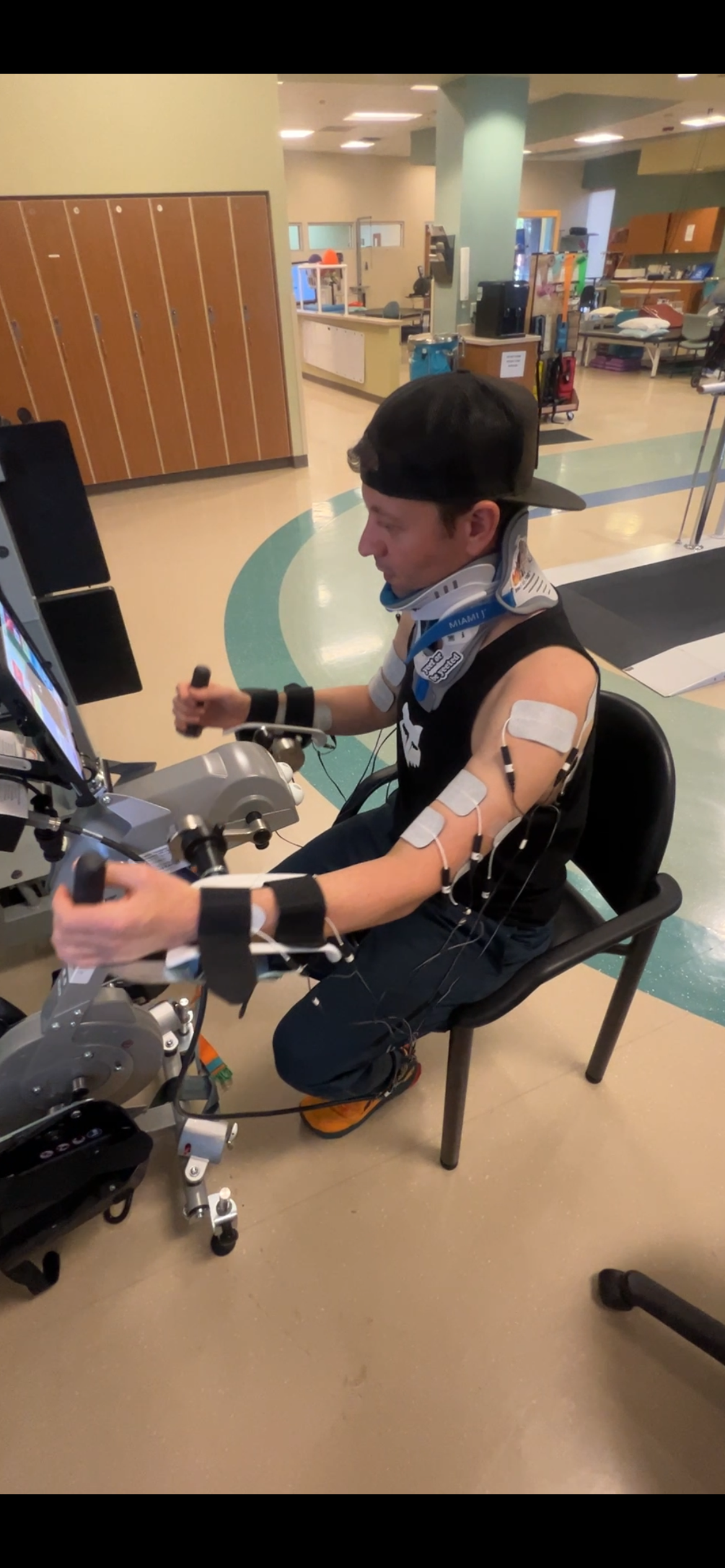
Most athletes expect injury rehab to feel linear. You get hurt. You start rehab. You put in the work. You stay positive. You come back better. Clean. Predictable. Controlled. That’s not how it works.
The reality of injury and the return to training is messy. It swings. It fluctuates. It challenges not just your body, but your identity, your routine, and your sense of control. One day you feel optimistic. The next, you’re questioning everything.
The Emotional Rollercoaster No One Prepares You For
Injury doesn’t just take away your ability to train; it disrupts your structure. Training is often where athletes process stress, build confidence, and maintain a sense of progress. When that’s gone, there’s a gap. And that gap gets filled with uncertainty.
You might recognize some of these phases:
Isolation when you’re no longer part of your usual training environment
Frustration when progress feels slow or inconsistent
Anxiety about reinjury or losing fitness
Anger at your body for not cooperating
Fatigue from the mental load of constantly managing symptoms
Restlessness when you’re cleared for some activity, but not your sport
Sadness when timelines stretch longer than expected
None of this means something is going wrong. These are signs that you’re in it.
Rehab Isn’t Just Physical load, It’s Psychological Load
We tend to treat rehab like a checklist: mobility → strength → return to sport. But there’s an invisible layer running underneath all of it mental bandwidth.
Every decision carries weight:
“Is this pain okay?”
“Am I pushing too hard?”
“Am I doing enough?”
The constant evaluation is exhausting. And if it’s not acknowledged, it can derail progress just as much as a poorly designed program.
Why “Staying Positive” Isn’t the Answer
There’s a subtle pressure in rehab culture to be relentlessly optimistic but forcing positivity often backfires. Athletes don’t need to feel good all the time, they need to feel grounded and supported through the fluctuations. Progress isn’t about eliminating bad days. It’s about continuing forward despite them.
Reframing Return to Training
Returning to training isn’t a moment. It’s a transition, and that transition should reflect reality:
Some sessions will feel great
Some will feel like a step backward
Most will land somewhere in between
The goal isn’t perfection it’s exposure with context. Instead of asking: “Am I back yet?” A better question is:
“Can I handle what today asks of me?” This shift reduces pressure and keeps you engaged in the process.
What Actually Helps
1. Structure without rigidity
You need a plan—but one that can adapt to how your body responds day-to-day.
2. Objective markers of progress
Strength numbers, workload tolerance, movement quality—these anchor you when emotions fluctuate.
3. Honest communication
With your coach, your PT, or yourself. Ignoring how you feel doesn’t speed anything up.
4. Exposure to your sport, early and often (appropriately dosed)
Avoiding your activity entirely often increases fear. Smart, gradual reintroduction builds confidence.
5. Permission to have bad days
They’re not setbacks. They’re part of the process.
The Real Win
The athletes who navigate injury best aren’t the ones who stay the most positive. They are the ones who learn how to operate when things feel uncertain. They build resilience not by avoiding the lows, but by continuing to show up through them. In the end, returning to training isn’t just about getting your body back. It’s about trusting it again.