Build Capacity, Not Just Tolerance: Why Training Load Matters
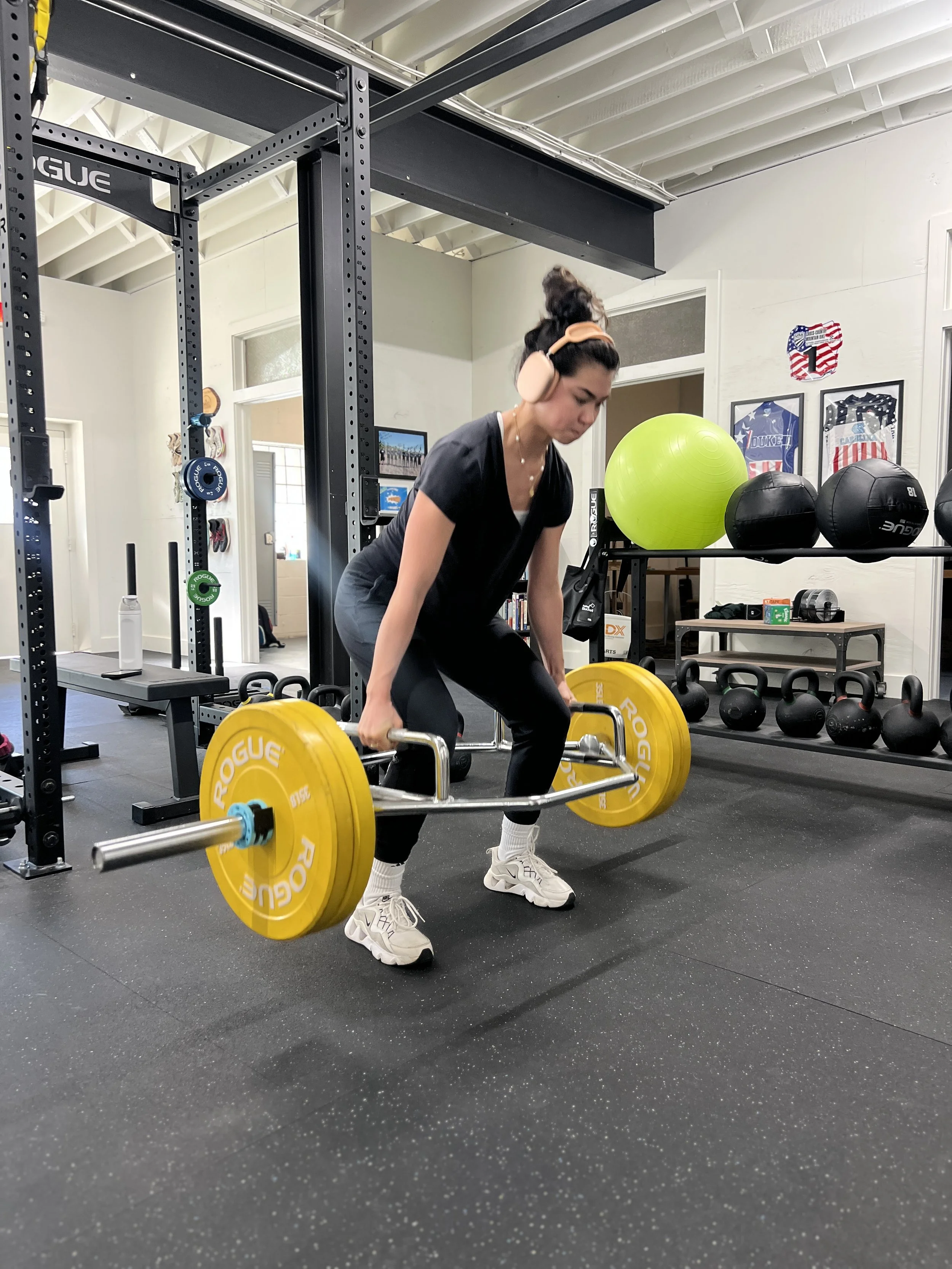
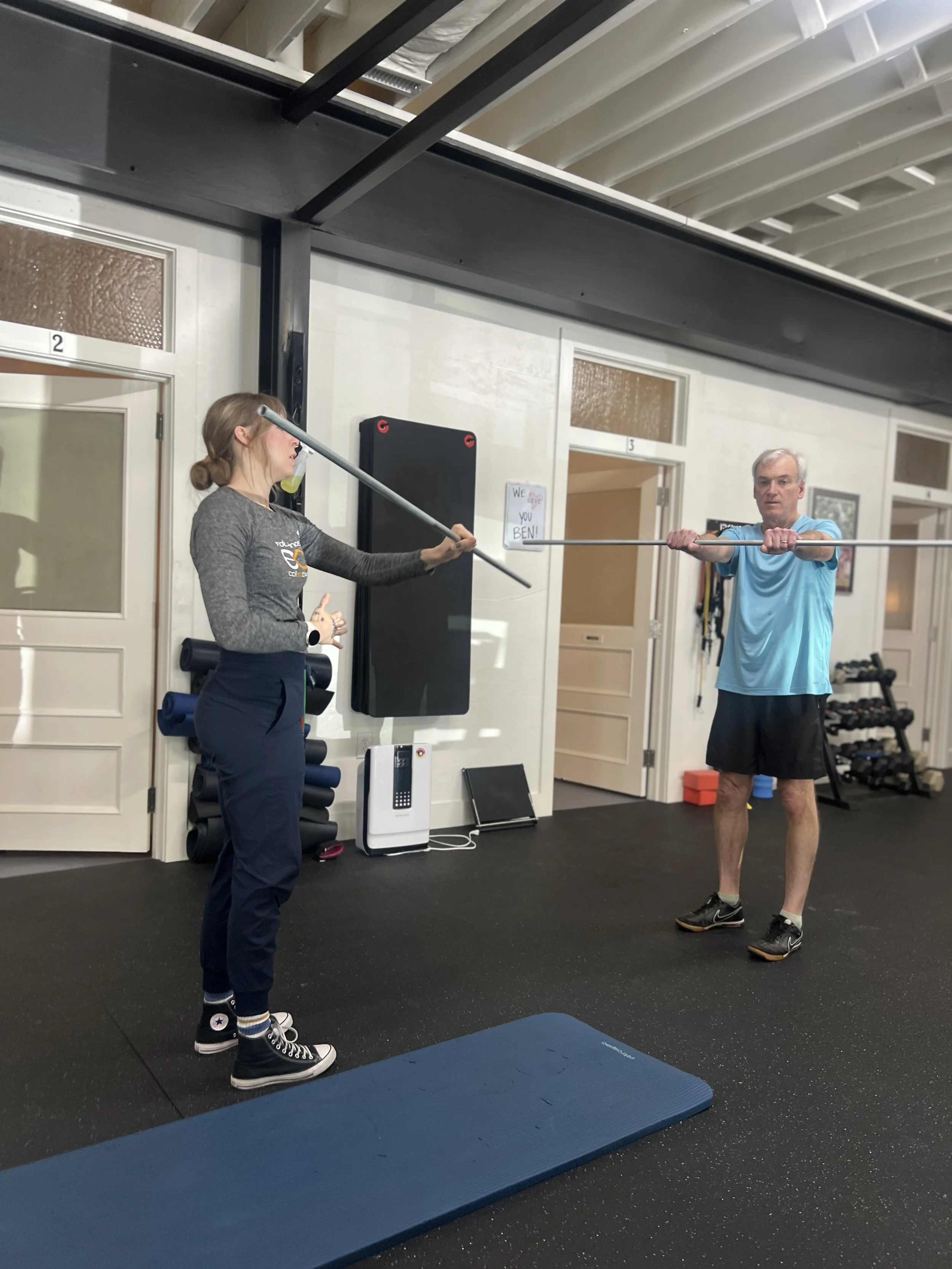
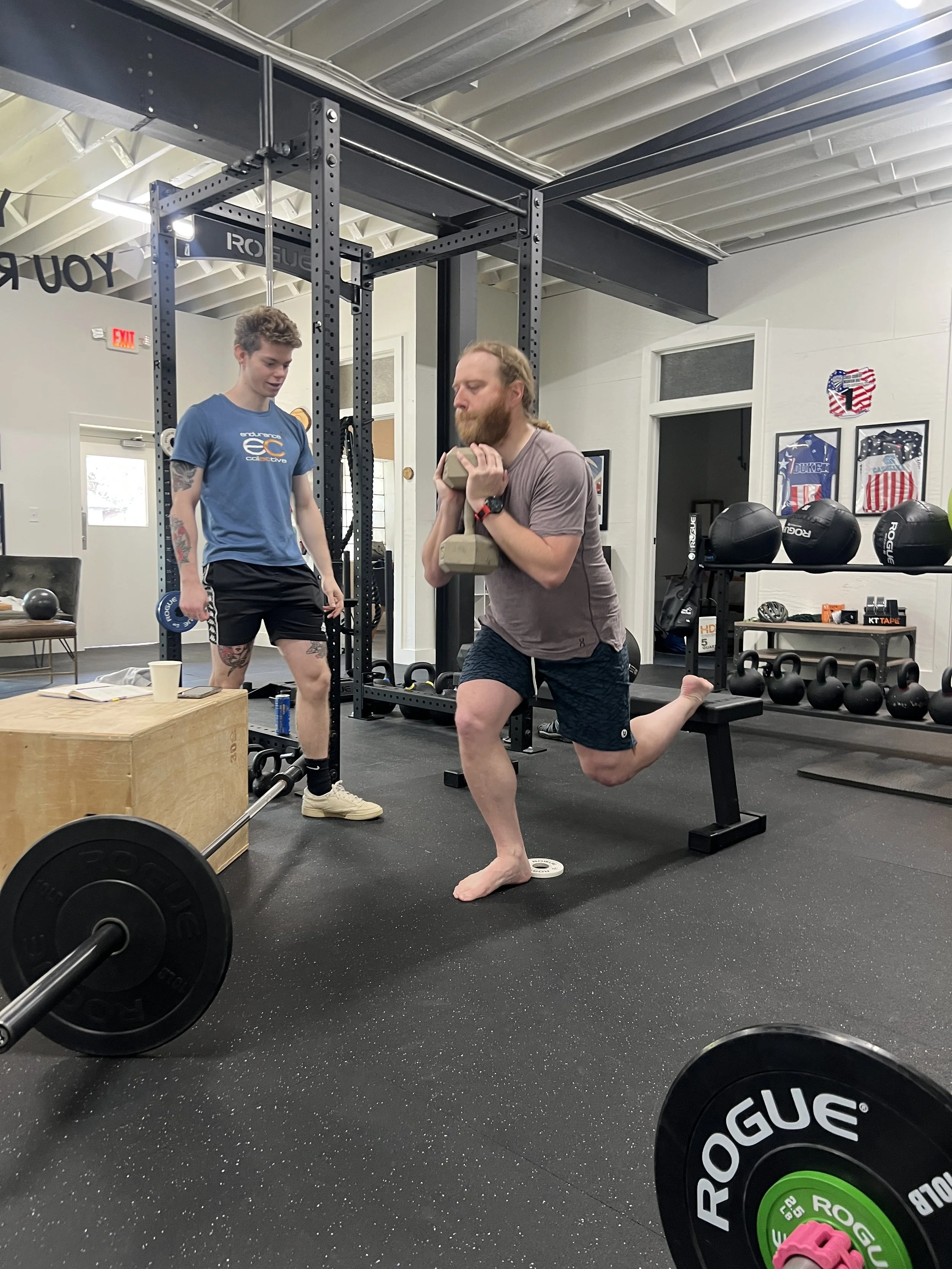
Most people don’t get injured because they’re broken. They get injured because their training outpaces their capacity. At The Endurance Collective, we don’t look at pain as something that simply shows up out of nowhere. We look at it as feedback—a signal that the demands you’re placing on your body have exceeded what your tissues are currently prepared to handle. And that’s not necessarily a problem. It’s part of the process of training.
Your muscles, tendons, bones, and other tissues aren’t static structures. They are dynamic, responsive systems that change based on how you train. When you lift, run, ride, jump, or otherwise challenge your body, you apply load. That load creates a stimulus, and your body responds by adapting to better tolerate that stress the next time. Strength training increases muscle capacity. Running can improve tendon stiffness and energy return. Impact loading can increase bone density. These adaptations are the foundation of performance. But adaptation isn’t instant.
Read More
Returning to Sport After Childbirth: Why Postpartum Rehab Should Look Like Athletic Training
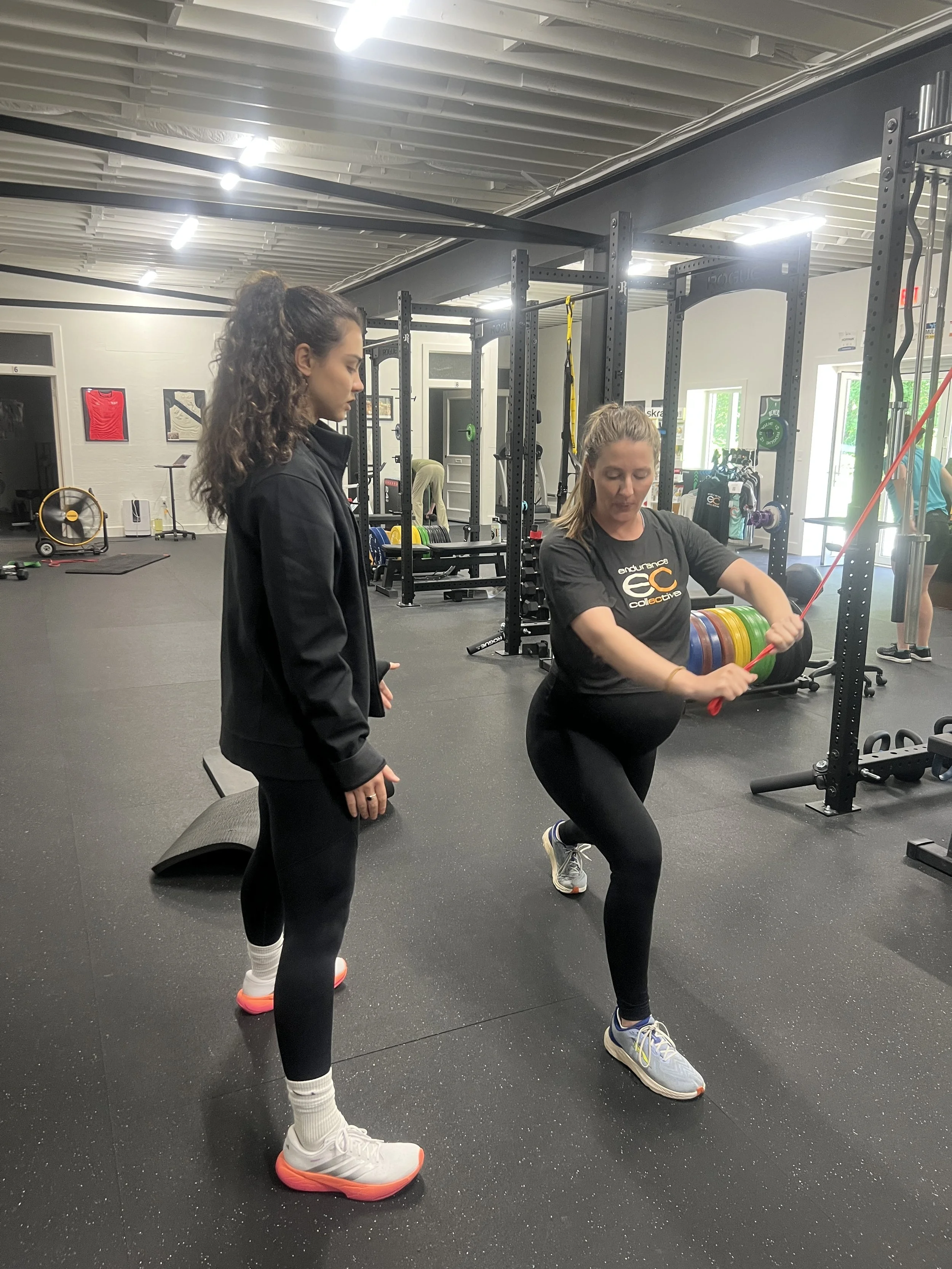
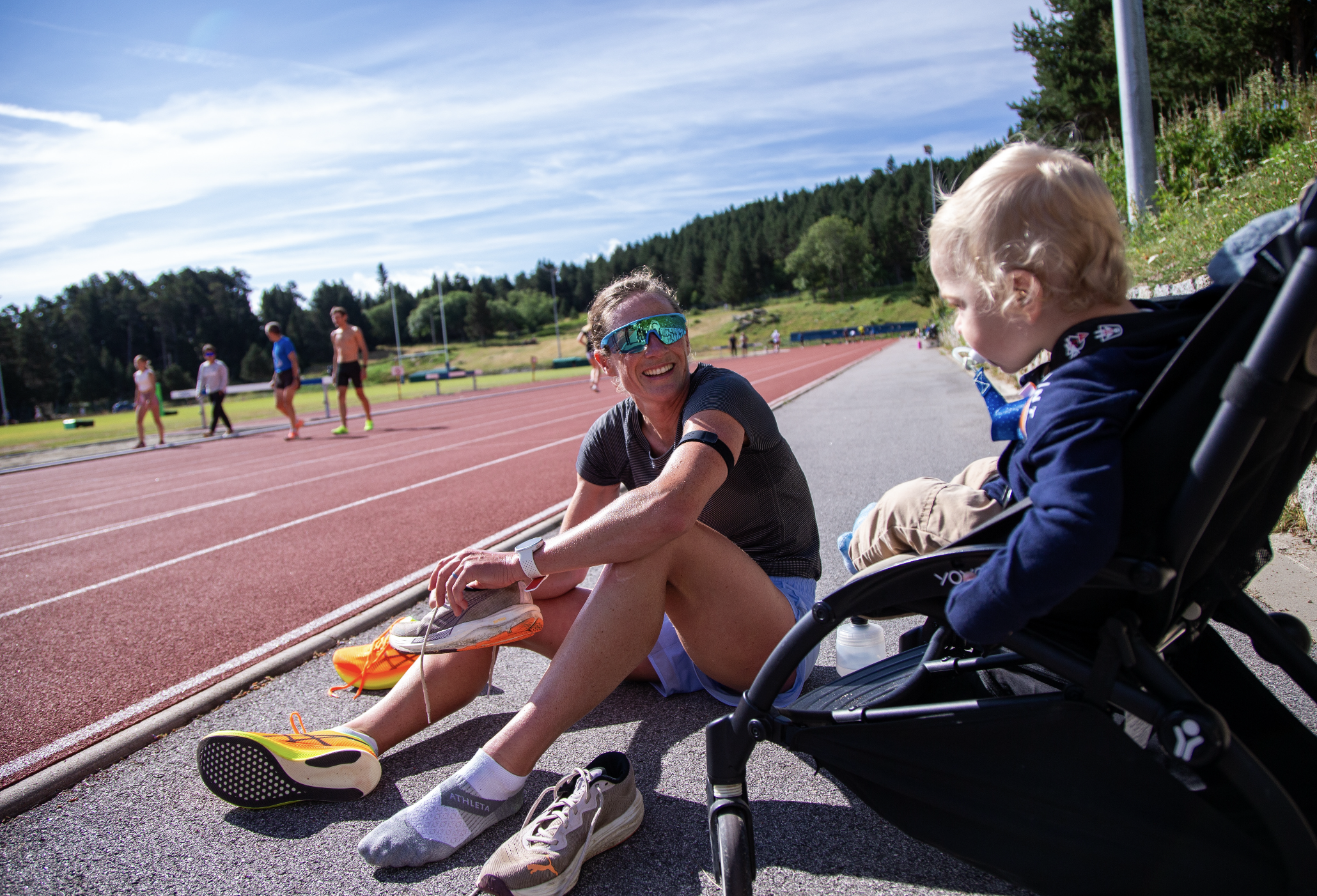
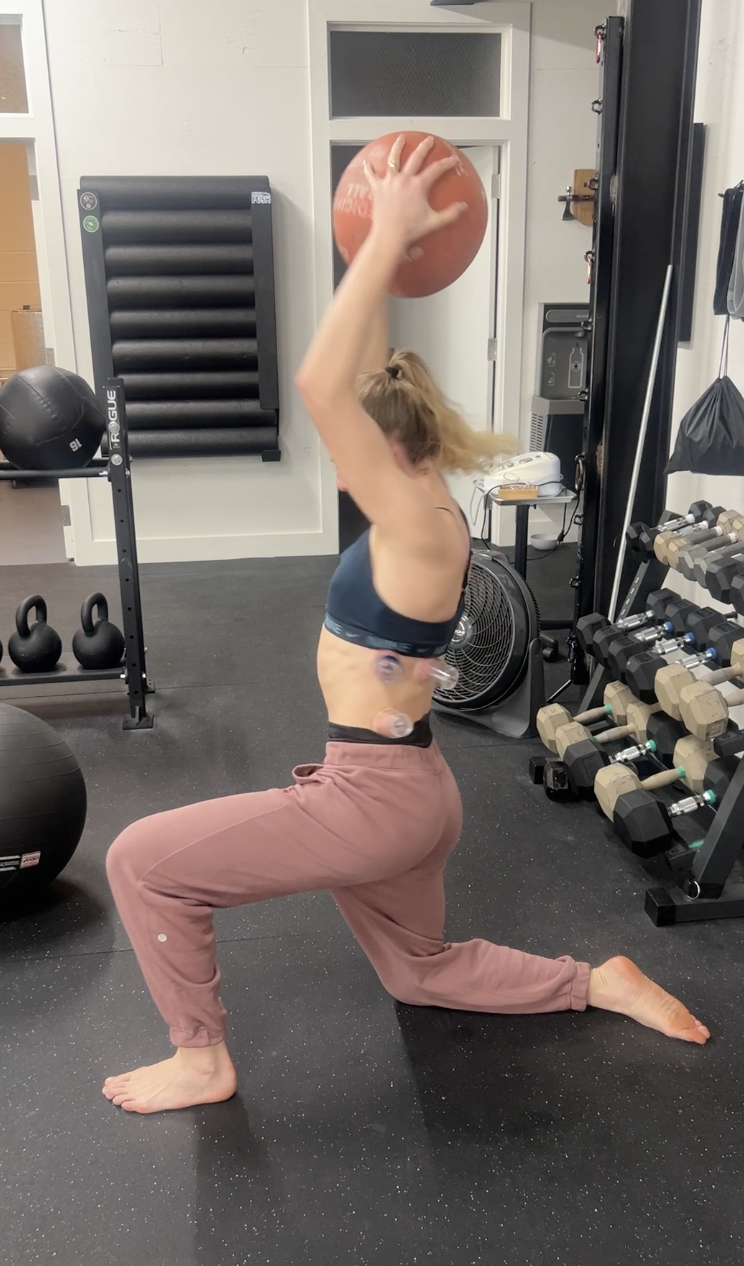
For years, the advice around returning to athletics after childbirth has been remarkably simple: wait six weeks, get cleared by your doctor, and start running. It sounds reasonable, but it isn't particularly useful. Childbirth is a massive physiological event. Pregnancy and delivery can change the strength, endurance, coordination, and load tolerance of the pelvic floor, abdominal wall, hips, and feet. Yet athletes are often expected to go from postpartum recovery directly back into a high-impact sport with little more than a green light from their healthcare provider.
Read More
Do Enough Mobility to Do What You Love. Then Stop.
Mobility has become one of the most overprescribed interventions in fitness. Scroll through social media or walk into almost any gym and you'll find people spending twenty or thirty minutes stretching, foam rolling, banding joints, and performing elaborate mobility routines before they ever touch a barbell or lace up their running shoes. Somewhere along the way, mobility stopped being a tool and became the goal. The problem is that most athletes never stop to ask the most important question: Why am I trying to become more mobile?
Read More
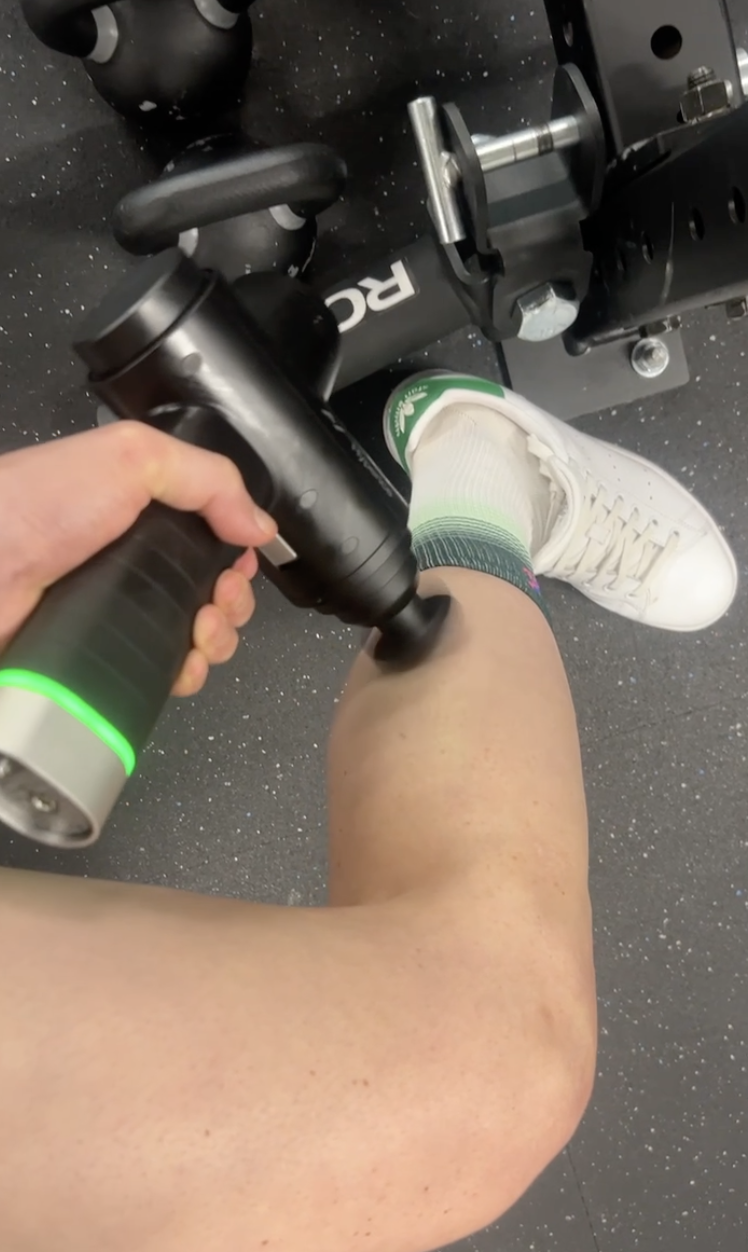
Before You Reach for the Graston Tool, Grab the Massage Gun
Walk into any gym, training facility, or race venue and you'll see athletes doing all sorts of things before they train. Bands. Mobility drills. Foam rollers. Lacrosse balls. Massage guns. Scraping tools. Some methods help, some make little difference, and others may even undermine your goals.
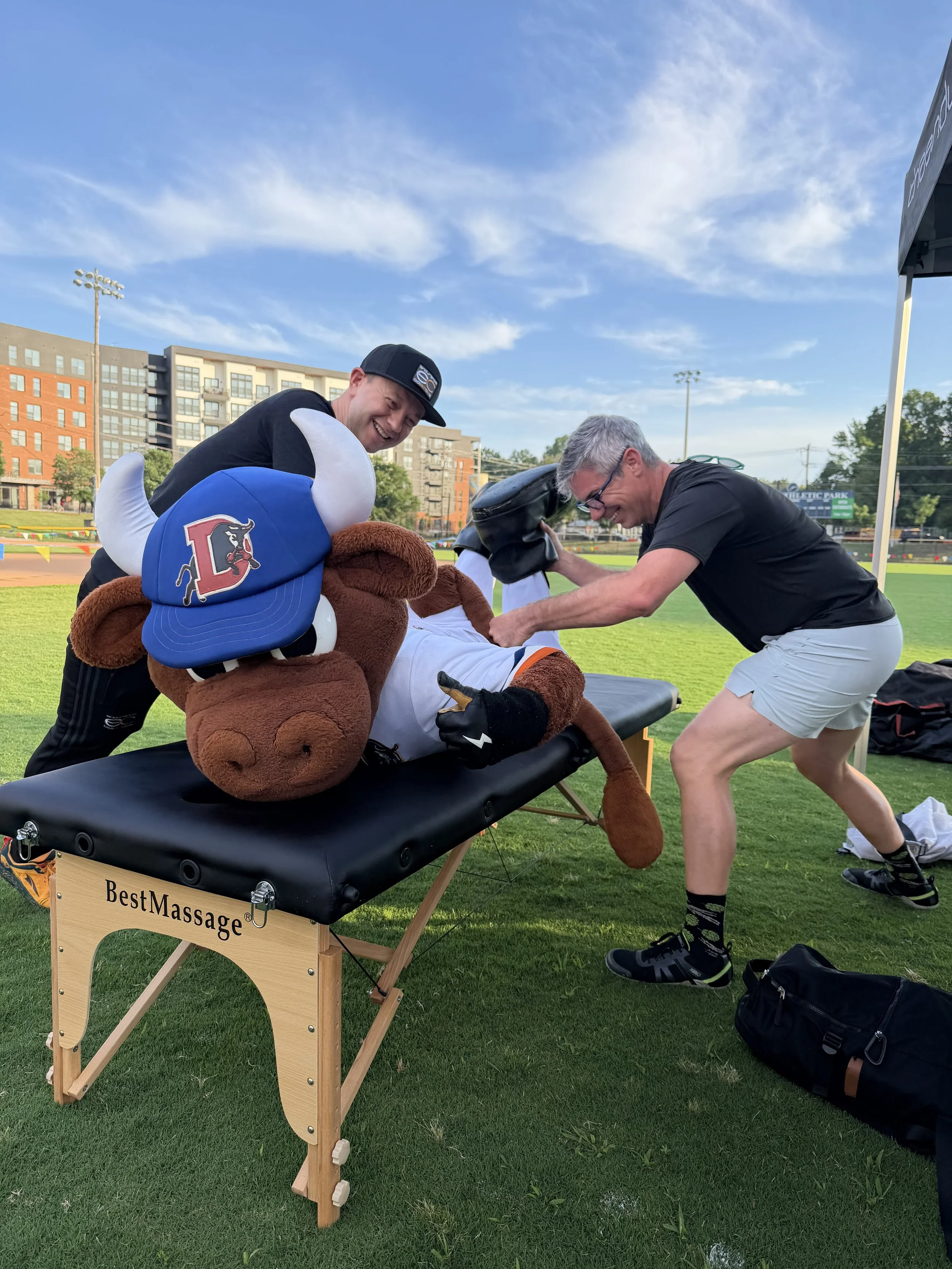
A recently published study in the Journal of Strength and Conditioning Research looked at two popular recovery and treatment tools—Instrument-Assisted Soft Tissue Mobilization (IASTM) and Percussion Massage Therapy (PMT)—to see how they affected performance immediately before activity in elite rowers.
The results are worth paying attention to.
Read More
Why We Don't Reach for Ice Anymore
For decades, the advice after an injury was simple: RICE. It became so ingrained in sports culture that few people ever stopped to ask whether it was actually helping.
The surprising answer? We now know that many of the things athletes were taught about injury recovery are incomplete at best and, in some cases, may actually slow the healing process.
The Rise and Fall of RICE
The RICE protocol was introduced in 1978 by physician Dr. Gabe Mirkin and quickly became the standard recommendation for acute injuries. Coaches, athletic trainers, healthcare providers, and athletes all adopted it. The logic seemed straightforward. Injuries create inflammation. Inflammation causes pain and swelling. Therefore, reducing inflammation must speed recovery.
But there was one problem: the science never fully supported that assumption.
Read More
The Future of Coaching Isn't Rooted in More Data. It's Focus Should Be Driven By More Humanity.
When Simone Biles stepped away from competition at the Tokyo Olympics, the sports world reacted exactly as you'd expect.
Some applauded her courage.
Some questioned her commitment.
Some criticized her outright.
But underneath all the noise, something important happened. The conversation around mental health in sport moved from the margins to the center.
For decades, coaching has largely been built around a simple equation: better training equals better performance. We measured miles, watts, heart rates, repetitions, splits, and podium finishes. We obsessed over physical preparation and technical execution. If something wasn't showing up on a training log, it often wasn't part of the discussion.
Read More
What Sets Physical Therapy at The Endurance Collective Apart from Big Hospital System Physical Therapy?
If you've ever been through physical therapy in a large hospital system, you probably know the drill. You wait weeks for an appointment. You spend a few minutes with a therapist before being handed off to an aide. You get a sheet of exercises. You do three sets of ten. Maybe you get some ice. Maybe some heat. You repeat this process for a few weeks until you're discharged because your insurance says you're done.
For some people, that's enough. But for active adults and athletes who want to return to performing at a high level, it often falls short. At The Endurance Collective, we built physical therapy differently because athletes deserve more than a generic rehabilitation experience.
Read More
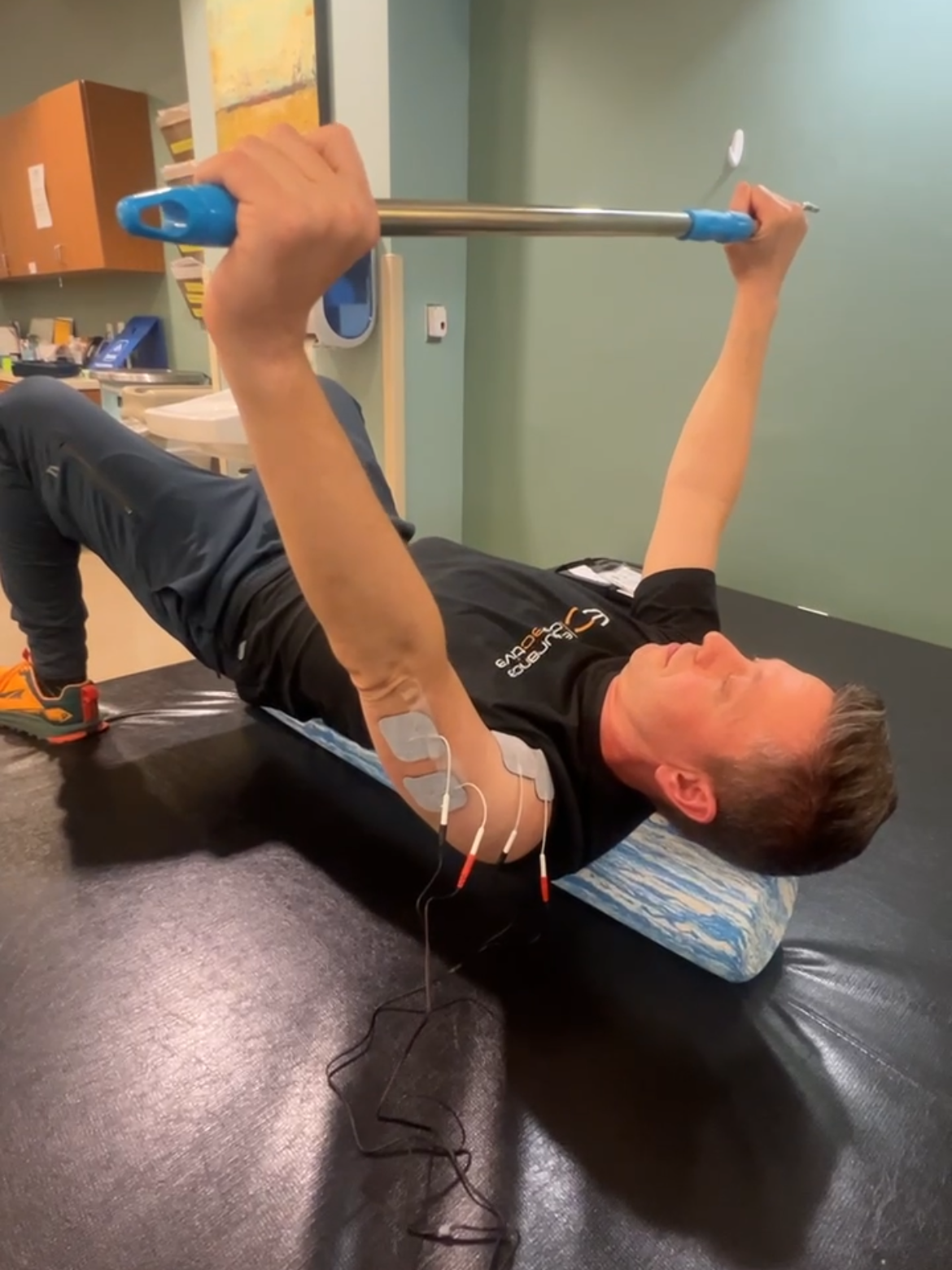
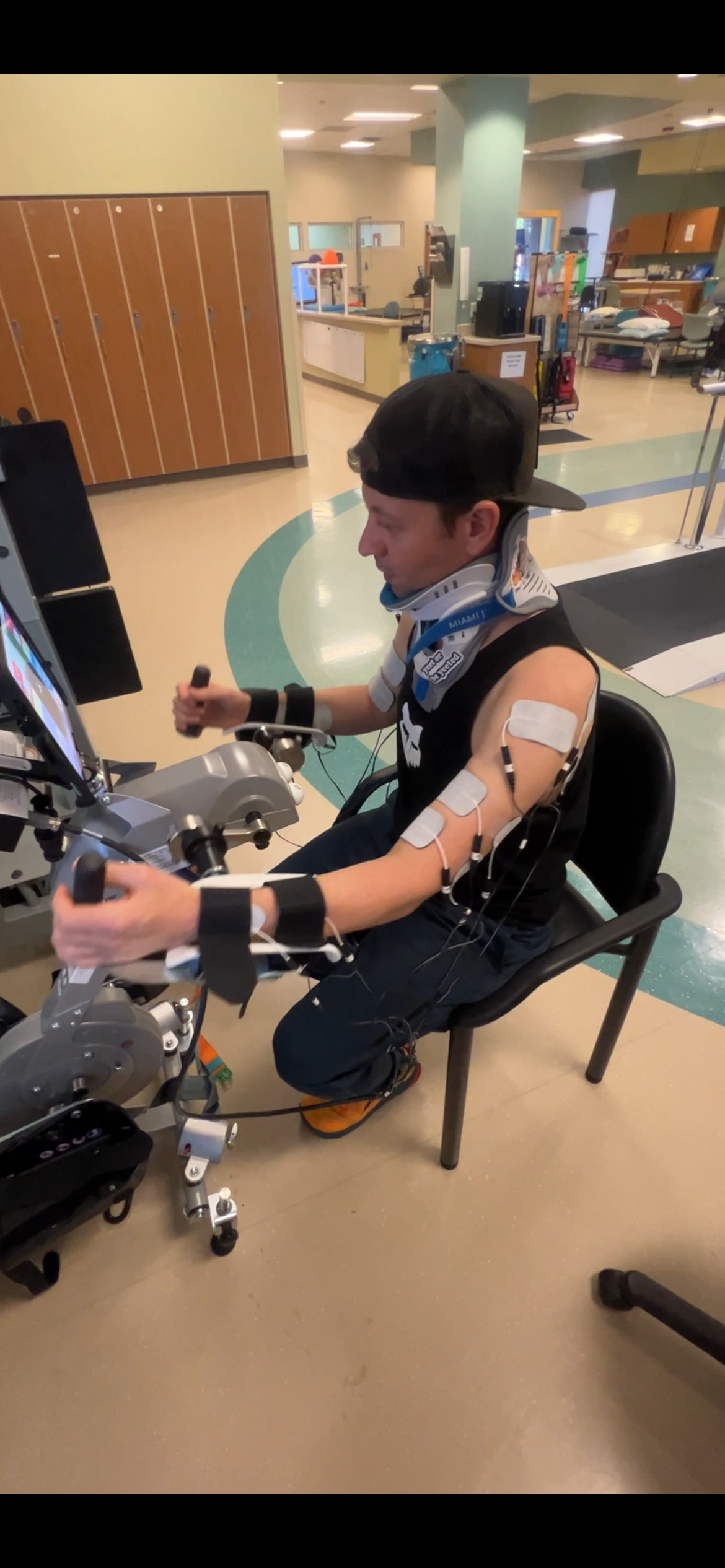
What Is Electrical Stimulation?
What Is Electrical Stimulation?
Most people have experienced electrical stimulation in rehab one of two ways.
Either it was slapped on them at the end of a session while they scrolled on their phone for ten minutes, or it was dismissed entirely as “passive treatment” that doesn’t actually help athletes get better.
The truth is more nuanced than that.
At The Endurance Collective, we care less about trends and more about tools that help athletes return to training, recover from injury, and perform at a higher level. Electrical stimulation can absolutely play a role in that process when it is used intentionally and paired with the right rehabilitation strategy.
The key is understanding what it actually does, what it does not do, and where it fits into the bigger picture of recovery.
Read More
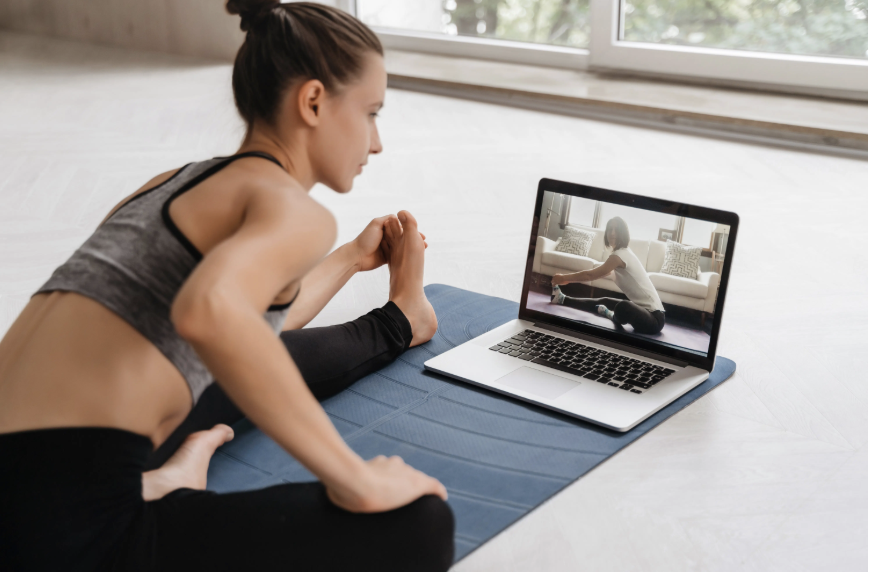
Why Telehealth Physical Therapy is Improving Access for Athletes in NC
One of the biggest challenges in physical therapy is not the treatment itself. It is access.
For many athletes in North Carolina, balancing work, training, and life makes it difficult to attend frequent in person sessions. Over time, this lack of consistency can slow recovery from orthopedic injuries.
Telehealth physical therapy and virtual PT services provide a solution to this problem.
Read More
When athletes think about physical therapy, they usually think about what happens inside the clinic. Hands on treatment, movement assessment, and direct feedback. That part of care is incredibly valuable and often necessary.
What gets overlooked is what happens between visits.
For many athletes in North Carolina, this is where progress slows. Missed follow ups, inconsistent exercise progression, and difficulty adjusting training can all limit recovery.
This is where telehealth physical therapy and virtual PT services play an important role.
Instead of replacing in person care, online physical therapy in North Carolina allows athletes to stay connected to their rehab plan in a consistent and flexible way. Follow up sessions become easier to schedule, and adjustments to movement and training can happen in real time.
Read More
Expanding Physical Therapy Options for Athletes in North Carolina with Telehealth PT
For a long time, physical therapy in North Carolina meant one thing. Showing up in person, working hands on with a provider, and progressing through treatment inside the clinic. That model is still incredibly valuable, and for many orthopedic injuries it remains the best place to start.
What is changing is not the importance of in person care. It is the expansion of options through virtual physical therapy and telehealth physical therapy services.
Read More
Sport doesn’t start with performance. It starts with participation.
At The Endurance Collective, we see the full spectrum every day. The competitive runner chasing a PR. The postpartum athlete returning to movement. The injured runner learning how to load again. The runner who hasn’t trained in years but is trying to reclaim some sense of control over their body. These are not separate categories of people. They’re often the same person at different points in time.
And at some point, every runner becomes a walker.
Read More
Injury Recovery is not Linear
The athletes who navigate injury best aren’t the ones who stay the most positive. They are the ones who learn how to operate when things feel uncertain. They build resilience not by avoiding the lows, but by continuing to show up through them. In the end, returning to training isn’t just about getting your body back. It’s about trusting it again.
Read More
Mighty Moms from baby to barbell
Ready to bridge the gap between birth and your first mile back? Join us at EC for an exclusive 6-week intensive designed specifically for postpartum athletes. This program utilizes the clinically-backed 4-Phase Return-to-Running Framework developed by renowned researcher and clinician Shefali Christopher, DPT. This course offers a rare opportunity to train under the dual expertise of leading researcher Shefali Christopher, DPT, and pelvic health physio Halle Anderson, DPT. Under the expert, hands-on guidance of our team, you will gain the strength and stability needed to move safely from baby to barbell.
Read More
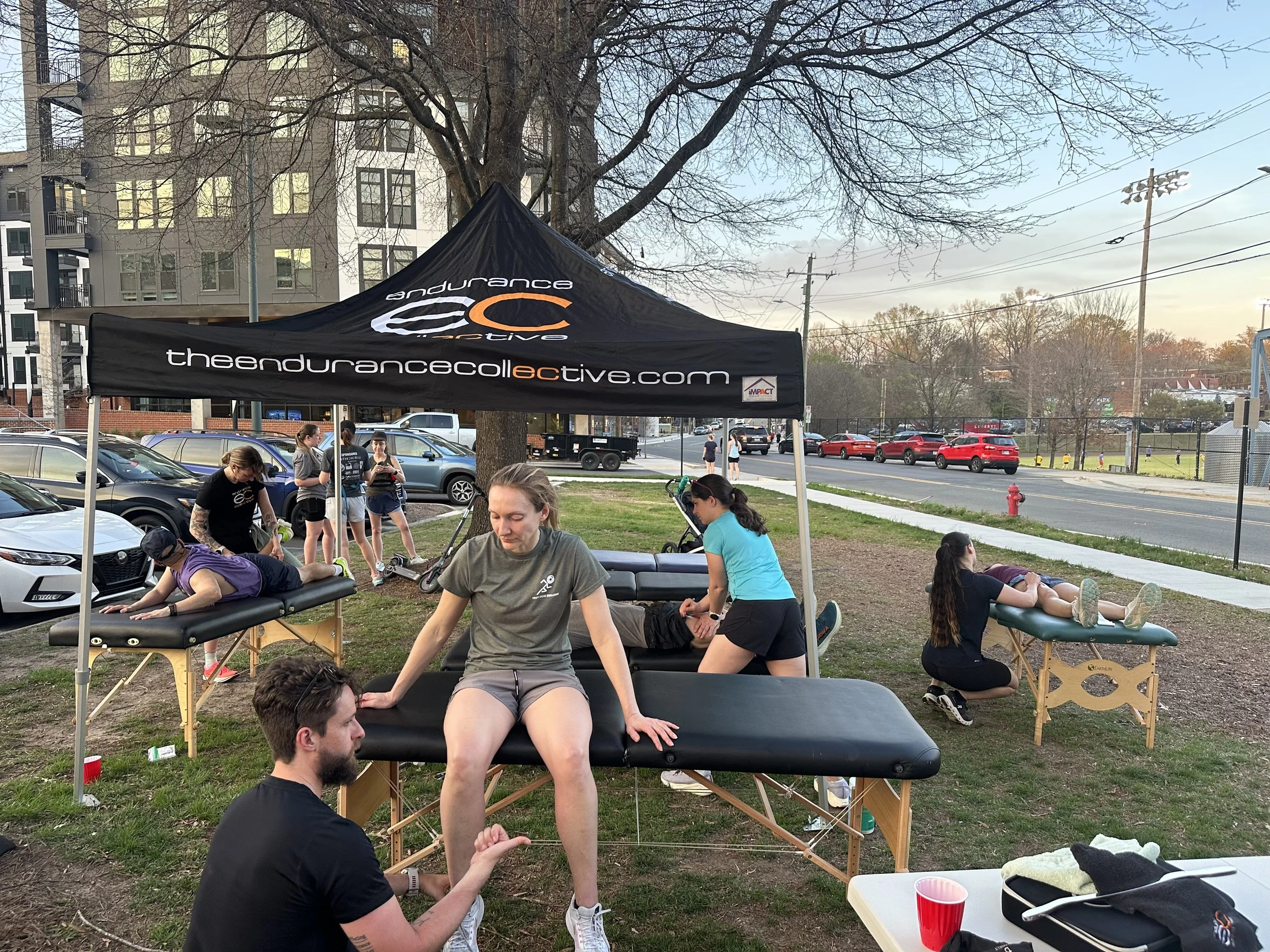
Training Creates Stress. Massage Helps You Use It
Every time you train, you’re creating stress on physiological systems, muscles, tendons, joints, and your nervous system. That’s the point. But without the right inputs between sessions, that stress accumulates faster than your body can adapt to it.
That’s where sports massage comes in.
This isn’t about “loosening tight muscles” in a generic sense. It’s about improving how your body handles load. Targeted soft tissue work can help restore movement options, reduce excessive tone where it doesn’t belong, and allow you to move more efficiently when it matters.
Read More
Why Physical Therapy Should Feel Like Training
Most people walk into physical therapy expecting to be treated like a patient.
That’s the problem.
You sit on a table. You get a printout. Maybe you do a few banded exercises, receive some manual therapy. You leave unsure if it relates to your goals, running faster, lifting more, riding longer, or simply moving pain-free.
That model isn’t built for athletes. It’s built for compliance.
Read More
Biohacking is Dumb....and here is why
Somewhere along the line, “eat a balanced diet, exercise and get plenty of sleep” stopped being trendy enough. Now we have biohacking, a grab bag of ice baths, wearable trackers, expensive supplements, coffee enemas, and podcast bros insisting they’ve “optimized” basic human functions like blinking and digestion. The pitch is always the same, your body is a flawed machine and with enough money, discipline, and Bluetooth-enabled devices, you can finally fix it.
Read More
Why rehab handouts like these are missing the mark
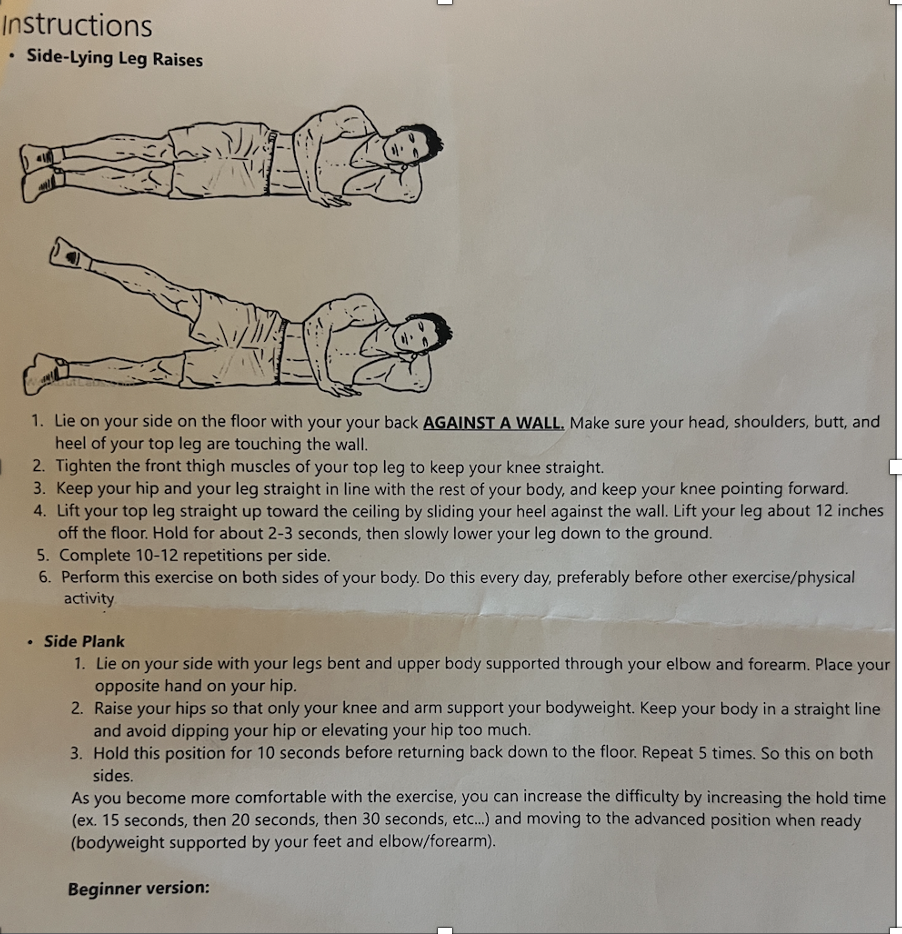
If you’ve ever left an ortho, physical therapy, or other sports medicine clinic with a black-and-white printout showing side-lying leg raises and side planks and wondered “am I doing this right?”, you are not alone. These exercises are often prescribed for low back, or hip pain, or knee pain. and on the surface, they seem reasonable. The problem isn’t that these exercises are wrong.
Read More
Why Dry Needling Is a Game Changer in Sports Physical Therapy
Whether you're chasing a marathon PR, grinding through Ironman training, or putting in heavy volume on the bike, muscle tightness, pain, and movement restrictions can throw a wrench into your progress. That’s where dry needling enters the picture—a powerful recovery and performance tool that’s gaining momentum among endurance athletes and sports physical therapists alike.
Read More
Cold Plunging Is Not Recovery: Why It’s Time to Rethink Your Ice Bath Routine
In recent years, cold plunging has exploded in popularity. From elite athletes to wellness influencers, people everywhere are submerging themselves in icy water and touting the benefits: reduced inflammation, mental clarity, increased energy, and improved mood. But the claim that needs a closer look is the idea that cold plunging is a recovery tool.
Read More