
Expanding Physical Therapy Options for Athletes in North Carolina with Telehealth PT
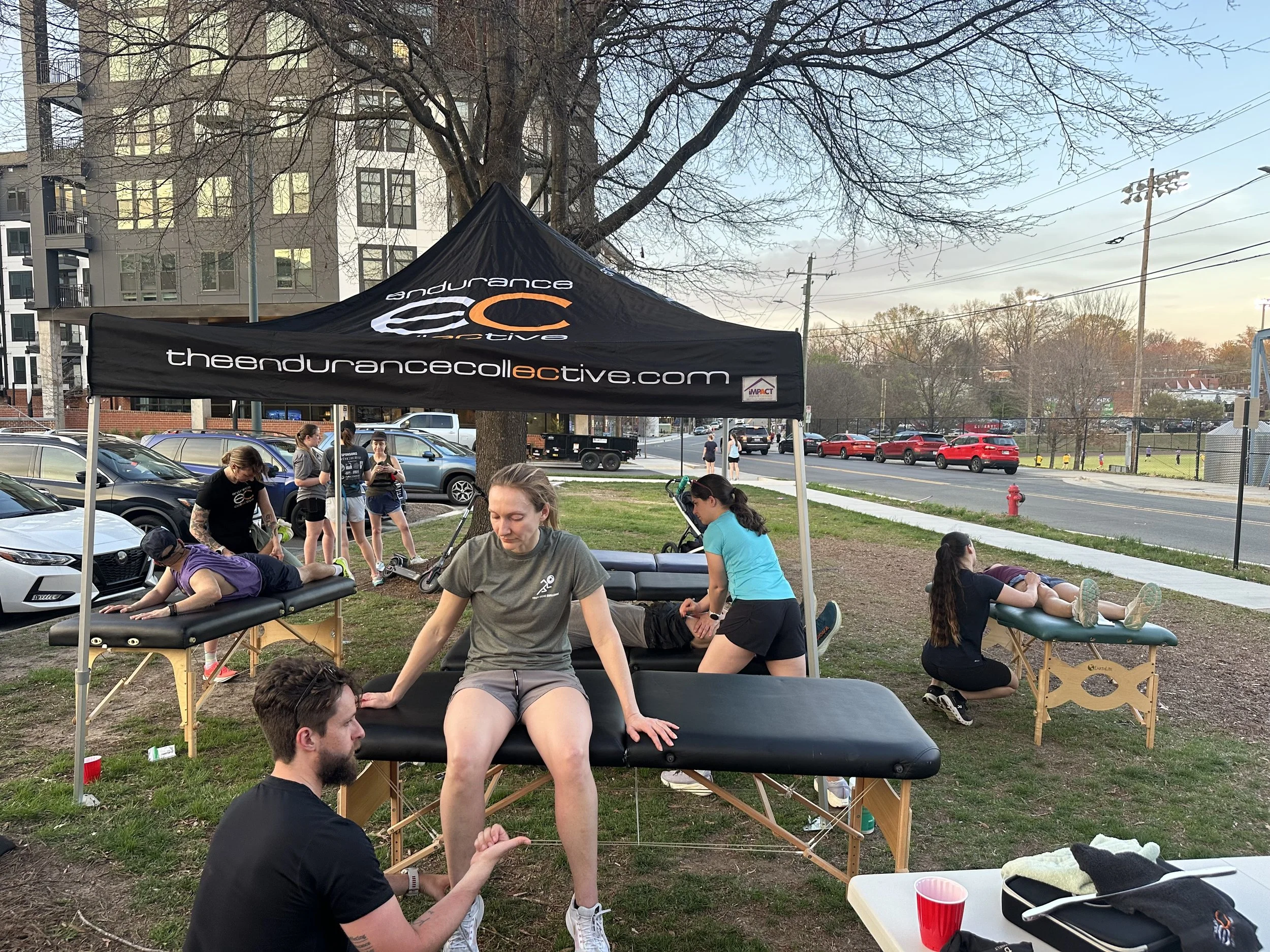
For a long time, physical therapy in North Carolina meant one thing. Showing up in person, working hands on with a provider, and progressing through treatment inside the clinic. That model is still incredibly valuable, and for many orthopedic injuries it remains the best place to start.
What is changing is not the importance of in person care. It is the expansion of options through virtual physical therapy and telehealth physical therapy services.
For athletes across North Carolina, telehealth PT is becoming a meaningful extension of traditional care. Instead of replacing in person physical therapy, it helps fill the gaps that often exist between visits, especially for runners, cyclists, and endurance athletes managing ongoing training loads.
Research over the past several years has shown that telehealth physical therapy for orthopedic injuries can be effective when treatment focuses on movement, strength, and education. These are the same drivers of recovery that exist in the clinic, but delivered in a way that fits more easily into an athlete’s daily routine.
In practice, A client's entire plan of care might be contained in the telehealth space or an athlete may begin with an in person physical therapy evaluation, then transition into virtual PT sessions to maintain consistency, progress exercises, and adjust training over time. This hybrid approach is becoming increasingly common in sports rehab and performance settings.
There are also practical benefits to virtual physical therapy in North Carolina. Sessions offer more flexibility with scheduling, reduce travel time, and often come at a lower cost in a cash based model. This does not make telehealth better than in person care. It simply makes it more accessible when appropriate.
The goal is not to choose between in person physical therapy and telehealth PT. The goal is to use both intentionally. When combined effectively, telehealth becomes an extension of care that helps athletes stay consistent and continue progressing long after they leave the clinic.