
The Future of Coaching Isn't Rooted in More Data. It's Focus Should Be Driven By More Humanity.
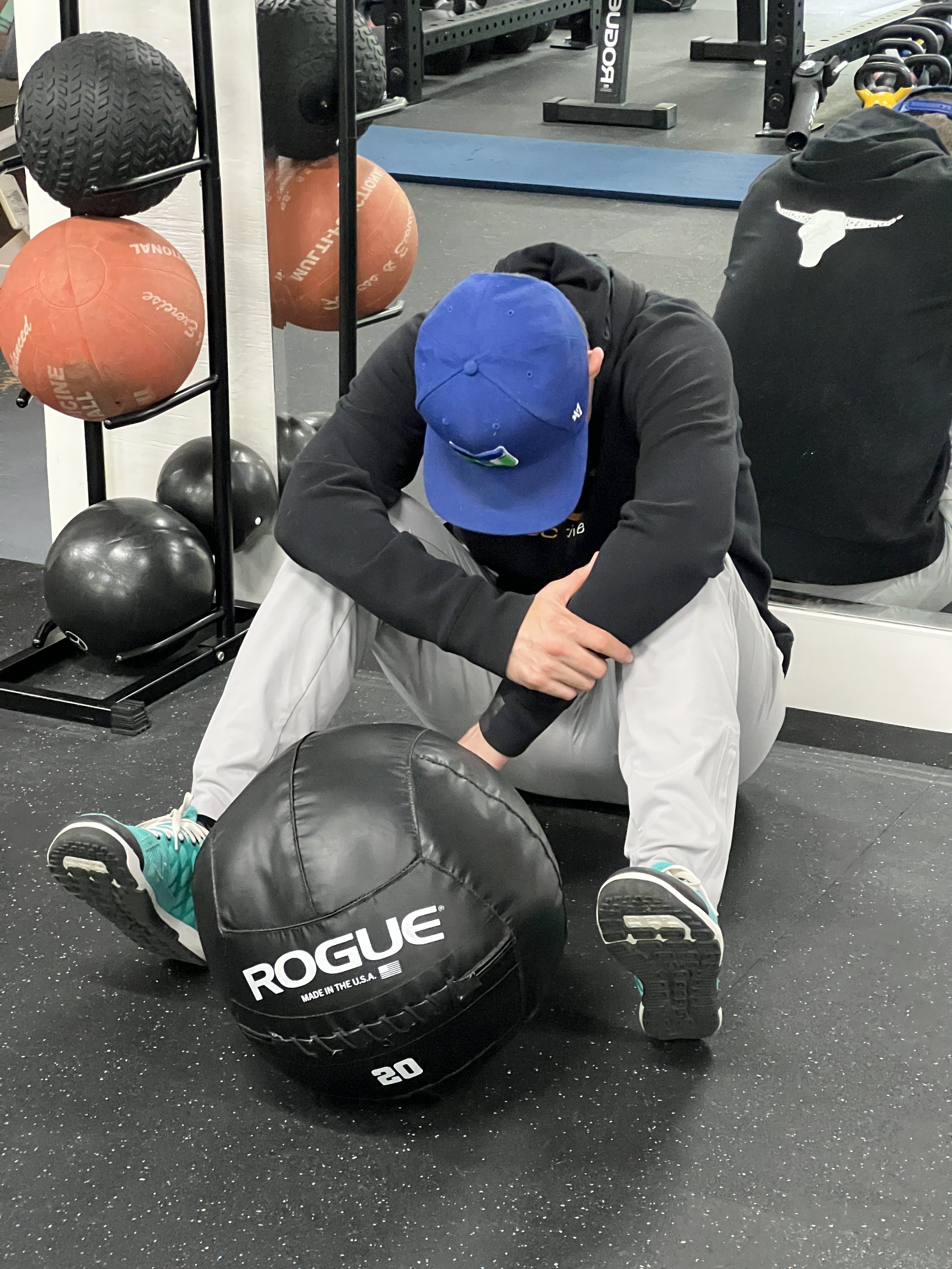
When Simone Biles stepped away from competition at the Tokyo Olympics, the sports world reacted exactly as you'd expect.
Some applauded her courage.
Some questioned her commitment.
Some criticized her outright.
But underneath all the noise, something important happened. The conversation around mental health in sport moved from the margins to the center.
For decades, coaching has largely been built around a simple equation: better training equals better performance. We measured miles, watts, heart rates, repetitions, splits, and podium finishes. We obsessed over physical preparation and technical execution. If something wasn't showing up on a training log, it often wasn't part of the discussion.
The athlete's emotional experience? That was usually left to chance. Thankfully, that model is becoming outdated. Today's athletes are asking for something more. And frankly, they deserve it.
The modern coach is no longer just a programmer, technician, or strategist. Coaches are increasingly being asked to understand the human being standing in front of them. They are being challenged to recognize signs of distress, build trust, create psychological safety, and foster environments where athletes can be honest about what they're experiencing. Not because coaching has become softer. Because coaching has become more effective.
Performance and Mental Health Are Not Separate Conversations
One of the biggest misconceptions in sport is that mental health and performance exist in separate lanes. They don't. An athlete struggling with anxiety isn't leaving that anxiety in the parking lot before practice. An athlete carrying shame after a poor performance isn't magically separating those emotions from their next race, lift, or training session. An athlete experiencing burnout doesn't suddenly become immune to it when the stopwatch starts. The mind and body have never operated independently. We've just spent a long time pretending they do.
At The Endurance Collective, we see this every day. Athletes don't show up with neatly organized problems. They arrive with injuries, performance concerns, life stressors, confidence issues, relationship struggles, fears, expectations, and goals—all interacting with one another.
The coach who understands this complexity has a tremendous advantage. Not because they're acting as a therapist. Because they're paying attention.
The Hidden Cost of Shame
One of the most misunderstood barriers to performance is shame. Not disappointment. Not frustration. Shame. Disappointment says, "I didn't perform well." Shame says, "I am not good enough. "That's a completely different conversation. Shame often shows up after injuries. After poor races. After missed goals. After athletes compare themselves to teammates, competitors, or previous versions of themselves.
It sounds like:
"I don't belong here."
"I'm letting everyone down."
"I'm a fraud."
"No matter what I do, it isn't enough."
And here's the challenge: shame is often invisible.
Athletes don't always announce it. Many become exceptionally good at hiding it. They continue showing up to practice. They continue training. They continue posting successful-looking workouts online. Meanwhile, internally, they're struggling.
As coaches, we have a responsibility to recognize when something deeper may be happening. Unfortunately, many traditional coaching environments unintentionally reinforce shame. Sarcasm. Public criticism. Dismissive comments. "Toughen up" responses. Humiliation disguised as motivation.
These approaches may create short-term compliance. They rarely create long-term growth. Athletes perform best when they feel challenged, supported, and valued, not when they feel like their worth depends entirely on outcomes.
Trust Is Built Long Before It's Needed
Many coaches believe trust is established during difficult conversations. In reality, trust is built months or years before those conversations ever happen. Trust is built when coaches listen without immediately trying to fix. It's built when they follow through on promises. It's built when they show consistency. It's built when athletes know they can tell the truth without fear of punishment or ridicule.
When trust exists, athletes speak up earlier, they communicate injuries sooner, they discuss struggles before they become crises, and most importantly, they ask for help.
When trust doesn't exist, athletes hide, they perform for approval. They tell coaches what they think coaches want to hear. They suffer silently. One of the most important questions every coach should ask is simple: "If one of my athletes was struggling right now, would they tell me?" The answer to that question reveals a lot about the environment you've created.
Psychological Safety Doesn't Mean Lower Standards
Whenever conversations around mental health emerge in sport, someone inevitably worries that accountability will disappear. It won't. Psychological safety isn't about lowering standards. It's about creating an environment where athletes feel safe enough to pursue high standards.
Athletes who feel psychologically safe take more risks. They communicate more effectively. They recover more quickly from setbacks. They are more willing to learn, adapt, and grow. Fear-based environments can produce short bursts of performance.
Trust-based environments produce sustainable excellence. The best coaches in the world understand that accountability and compassion are not opposites. They are partners.
Coaches Are Human Too
There's another part of this conversation we don't discuss nearly enough. Coach mental health. The demands placed on coaches have never been higher. You're expected to analyze data, build training plans, manage relationships, navigate conflicts, communicate effectively, recognize signs of distress, and support athlete well-being.
That's a lot. And if we're being honest, many coaches are carrying those responsibilities in isolation. Coaching can be lonely. Particularly in high-performance environments where everyone assumes you're supposed to have the answers.
But coaches need support too. Strong coaching communities matter. Mentorship matters. Peer conversations matter. Having spaces where you can admit something is difficult matters. You cannot sustainably care for athletes if you're consistently neglecting yourself. The health of the coach impacts the health of the environment. And the health of the environment impacts every athlete inside it.
The Future of Coaching
The future of coaching isn't less demanding. It's more nuanced. Athletes still need guidance toward excellence. They still need structure, accountability, expertise, and high expectations. But they also need empathy, awareness, trust and psychological safety.
They need coaches who recognize that performance isn't happening in a vacuum. The best coaches are no longer choosing between performance and well-being. They're recognizing that the two are deeply connected. Athletes are not machines. They are not spreadsheets. They are not race results. They are complex, vulnerable, resilient human beings pursuing meaningful goals.
And the coaches who understand that reality will be the ones who create the strongest athletes, the healthiest environments, and the most sustainable success. At the end of the day, coaching has always been about people.